A Grand Vision Tested by a Painful Reality – PIPC Pengerang: Can Malaysia Outsmart the Global Petrochemical Glut?
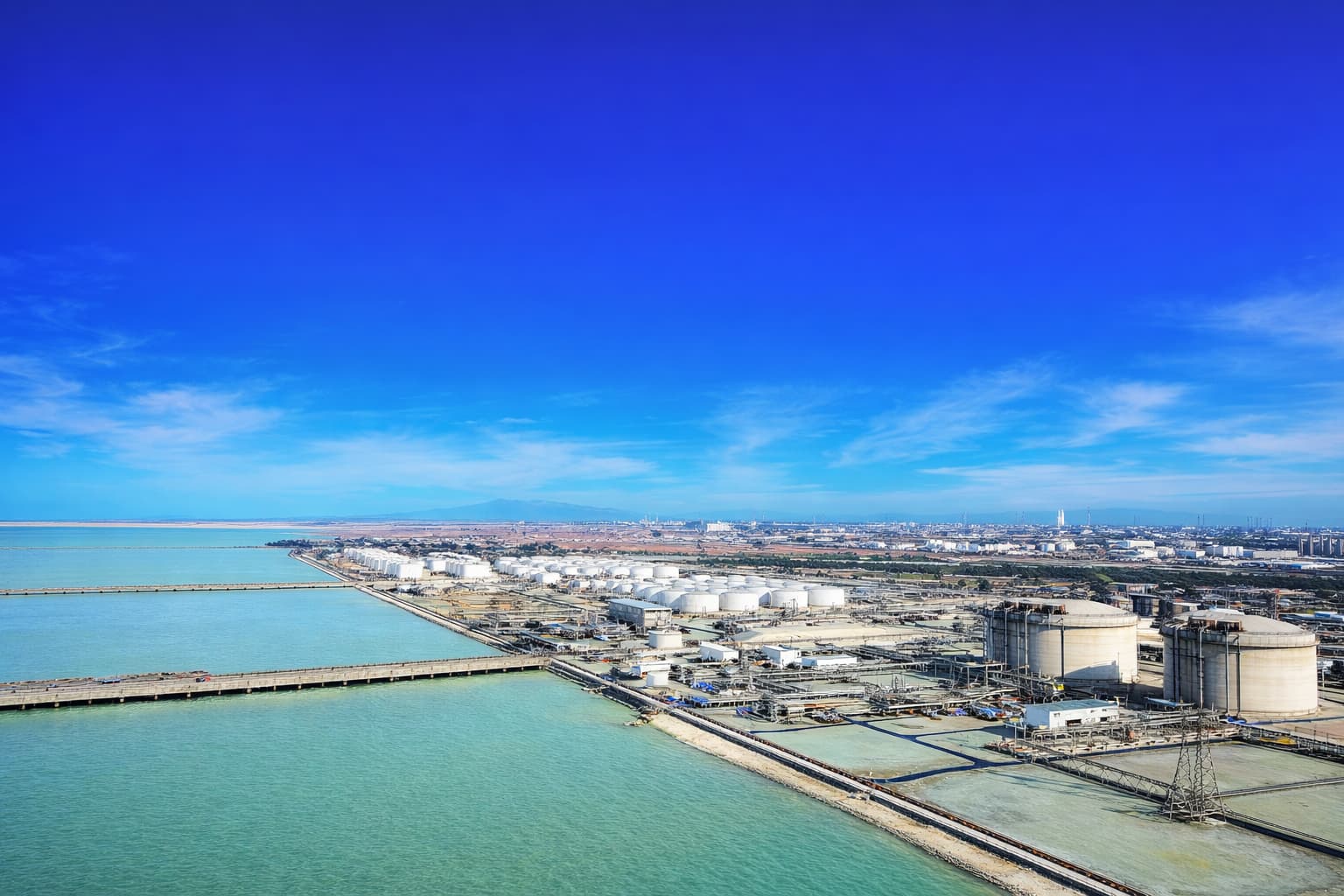
A Grand Vision Tested by a Painful Reality–PIPC Pengerang: Can Malaysia Outsmart the Global Petrochemical Glut?
By Ts. Dr. Nooreha Husain
Nestled on the southeastern coast of Johor, the Pengerang Integrated Petroleum Complex (PIPC) was conceived as a transformative national project, a cornerstone of Malaysia's ambition to become a premier Asian hub for downstream oil and gas. Yet today, the complex faces a perfect storm of financial losses and market turmoil, forcing a stark reassessment of its immediate future and long-term trajectory.
The financial metrics from Pengerang present a definitive case study in global market pressures. Petronas Chemicals Group (PCG), the integrated complex's anchor, reported a net loss of RM1.08 billion in Q2 2025, a direct result of a historic regional oversupply and tepid global demand that have compressed margins. This pressure has triggered a strategic recalibration: major forward investments, such as the Pengerang Energy Complex (PEC), have been delayed to a 2029 target, reflecting a sector-wide shift toward capital preservation and timing alignment with a sustainable market recovery.
The journey toward complete and stable operations at PIPC has encountered the predictable learning curves typical of megaprojects, with teams diligently working to streamline processes and ensure reliability. In response to the broader industry downturn, management has adopted a cautious stance, prioritizing financial resilience by deferring non-essential expenditures and delaying some final operational validations.
Achieving a consistent operational rhythm has required ongoing adjustments, as teams work to optimize integration and supply chain dynamics in a complex new facility. Reflecting the current market climate, the schedule for final performance tests for specific units has been extended to align with broader strategic planning. This period of market recalibration has also impacted the timeline for new capital commitments. In direct response to this market recalibration, the Ministry of Economy has appointed AUFA Intelligence Sdn Bhd to develop the comprehensive PIPC Strategic Plan (2025-2040). This mandate to chart a long-term roadmap underscores a commitment to moving beyond cyclical reactions and toward a structured, resilient future for the national project, which the Iskandar Regional Development Authority (IRDA) must further implement.
The global petrochemical landscape is undergoing a significant transformation, creating a more competitive environment that tests the resilience of established players. This phase of market adjustment, marked by shifting supply dynamics and evolving demand, underscores the critical importance of Malaysia's strategic move into integrated downstream ventures. By focusing on complex, value-added production within PIPC, the industry is building a more resilient economic pillar that is essential to capturing greater value from the nation's resources, even amid external market cycles.
Malaysia's foray into world-class downstream petrochemicals is a deliberate long-term strategy, undertaken with the understanding that global markets are cyclical. While the current industry climate presents well-documented headwinds, including a crowded regional landscape, this reinforces the necessity of the national project. The commitment at Pengerang is not merely to commodity production but to establishing a deeply integrated, efficient, and advanced industrial ecosystem designed to compete on sophistication and strategic advantage, positioning Malaysia securely in the global value chain for decades to come.
So, where is PIPC heading?
The Pengerang Integrated Complex (PIPC) is now navigating a critical phase of strategic adaptation. Its foundational vision—to establish Malaysia as a fully integrated, world-class hydrocarbon hub that captures immense value for the national economy—remains the clear and enduring destination. The current global environment, however, demands a period of disciplined strategic consolidation. This is not a departure from the vision, but a purposeful and tactical recalibration of the path to achieve it.
The future trajectory of PIPC will be defined by strategic choices made today. To secure its role as a catalyst for national prosperity, implementation must focus on three concrete pathways that move beyond weathering the downturn to actively shaping a competitive future.
1. Strategic Portfolio Transformation: The core imperative is a deliberate shift from commodity-scale production to a higher-value product portfolio. This requires accelerating investment in and development of specialty chemicals, advanced polymers, and other derivative products where competition is based on innovation and customization rather than price and volume alone.
2. Future-Proofing through Green Integration: Long-term relevance in a decarbonizing global economy is non-negotiable. Implementation must therefore integrate sustainability as a core business pillar. This involves building operational capabilities and partnerships in green hydrogen, carbon capture, utilization, and storage (CCUS), and chemical recycling technologies. These are not peripheral projects but essential components of the next-generation industrial ecosystem.
3. Building Agile Resilience: Navigating market volatility requires a foundation of superior operational and financial flexibility. Implementers must build resilient systems that enable rapid scaling, feedstock flexibility, and leaner cost structures. This ensures the complex can protect its core operations during downturns and capitalize on speed when market conditions improve.
By executing these parallel tracks—portfolio elevation, green integration, and resilience building—PIPC can translate its foundational vision into a dynamic, sustainable competitive advantage for Malaysia.
Based on analysis of the PIPC Strategic Plan (2025-2040), industry commentary, and news developments up to 2025